020 3744 3778
Restoring Elegance to Your Neglected Garden Space
Posted on 08/09/2025
Restoring Elegance to Your Neglected Garden Space: A Comprehensive Guide
Is your once-beautiful garden looking tired, overgrown, and uninspiring? A neglected garden space can quickly lose its charm, making it feel uninviting and forgotten. However, with the right approach and some thoughtful TLC, you can restore elegance to your outdoor haven. If you're looking to reclaim beauty and functionality in your garden, this comprehensive guide will walk you through every step towards unveiling its true potential.
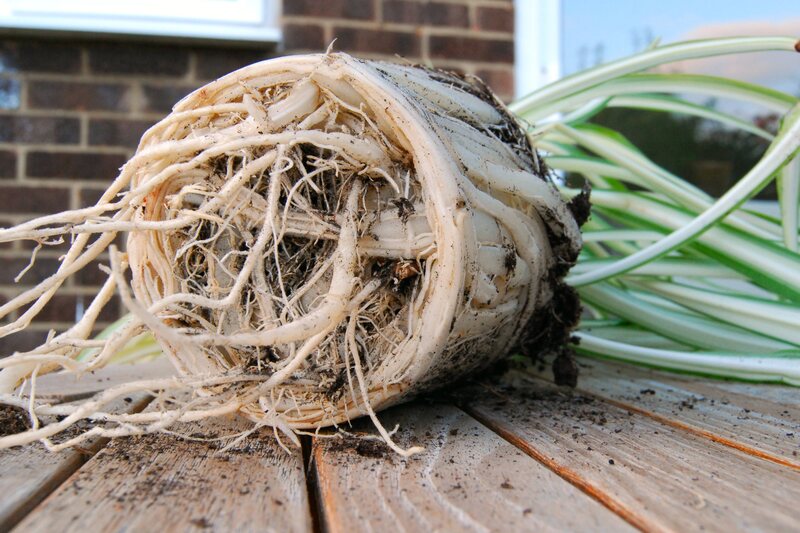
Why Garden Spaces Lose Their Elegance
Understanding the root causes of garden neglect is crucial for a successful restoration. Busy lifestyles, changing priorities, or inheriting a previously unloved space can quickly result in overgrown plants, weedy beds, and an overall sense of disrepair.
- Poor soil health and draining issues
- Loss of original design through uncontrolled plant growth
- Weather damage and lack of regular maintenance
- Accumulation of clutter, debris, or broken structures
It's easy to feel overwhelmed--but with a little patience and creativity, restoring the elegance of your garden can become an enjoyable and rewarding project.
Step 1: Assessing Your Neglected Garden Space
Take Stock and Visualize
Begin by walking through your entire garden with a notebook or smartphone. Take detailed notes and photographs to document areas in urgent need of attention. Ask yourself:
- Which plants are healthy, and which are past their prime?
- How much sunlight and shade does each area receive?
- Are there any drainage issues or dry patches?
- What hardscape elements (paths, walls, patios) are damaged?
- What is the current mood, and what ambiance do you wish to create?
Consider creating a garden "before" and "after" plan to help you visualize the transformation and set achievable goals.
Step 2: Clearing Out and Cleaning Up
Declutter and Tidy
Clearing away the mess is a vital first step. Remove all rubbish, broken pots, old furniture, toppled trellises, and any other debris. Sorting and recycling what you can will reduce waste and make the job more manageable.
Weed and Prune
Pull out invasive weeds and overgrown shrubs. Thin out crowded borders and cut back dead, diseased, or dying branches. Pruning helps revive unhealthy plants and reveals the structure of your garden, giving you a blank canvas for redesigning.
- Tip: Always use clean, sharp tools to avoid spreading plant diseases.
- Tip: Prune shrubs and trees during their dormant season for best results.
Step 3: Restoring Soil Health
Enrich and Revitalize
The foundation of any elegant garden is healthy soil. Years of neglect may have stripped nutrients and compromised structure. To restore richness:
- Test your soil for pH and nutrients using a home test kit
- Add organic matter such as compost, leaf mulch, or well-rotted manure
- Aerate compacted soil using a garden fork or aerator
- Consider natural soil amendments (e.g., bone meal, seaweed extract) as needed
This process encourages strong root growth, lush foliage, and bountiful blooms--the hallmarks of an elegant garden.
Step 4: Reimagining the Design
Strategic Planning and Inspiration
Restoring elegance is about more than tidying up. Transform your neglected outdoor area with a thoughtful layout, blending form and function. Reflect on the garden's intended use:
- Entertaining? Consider patios, dining spaces, or fire pits.
- Relaxation? Focus on seating nooks, scented borders, and tranquil water features.
- Wildlife and biodiversity? Choose plants that attract birds, pollinators, and beneficial insects.
Research different garden styles--from formal French parterres to free-flowing English cottage borders--then select one that complements your home's character and your lifestyle.
Incorporating Elegant Features
- Symmetry: Use repeating shapes, mirrored planting beds, or evenly spaced topiaries for a timeless look.
- Defined Pathways: Lay out gravel, stone, or brick paths to guide movement and create visual order.
- Focal Points: Add statues, birdbaths, or statement pots to draw the eye.
- Water Features: Install a fountain or small pond for a sense of calm and sophistication.
Elegant garden restoration is about smart choices that elevate both appearance and experience.
Step 5: Selecting the Right Plants for Elegance
Timeless Plant Choices
Not all plants are created equal when it comes to creating an elegant space. For a refined atmosphere, choose varieties with:
- Harmonious color palettes--soft whites, greens, blues, and pastels
- Formal shapes--boxwoods, clipped yews, ornamental grasses
- Architectural interest--roses, hydrangeas, Japanese maples
- Seasonal interest--succession planting of spring bulbs, summer perennials, autumn foliage, and winter evergreens
For borders, try combining lavender, salvia, peonies, tulips, and hostas. These classic choices bring structure, scent, and enduring charm to your restored garden space.
Layer Plant Heights for Depth
Plant tallest shrubs and trees at the back or center of borders, with mid-sized perennials in front and low groundcovers at the edge. This technique creates lush, layered vistas and the impression of abundance so often associated with elegant landscapes.
Step 6: Hardscape Restoration and Upgrades
Repair and Replace
Hardscaping refers to the non-plant elements--paths, patios, fences, walls, gates--that provide structure and define spaces. Assess all features and repair or replace cracked, rotten, or unsafe materials. Power wash paved areas and repaint faded surfaces for an instant uplift.
- Replace broken pavers and stepping stones
- Sand, varnish, or repaint wooden benches and gates
- Install new edging for crisp definition between lawn and planting beds
- Update lighting with energy-efficient fixtures for ambiance and safety
Functional, beautiful hardscaping brings cohesion and sophistication to your garden revamp.
Add Structures for Drama
Consider introducing archways, pergolas, or gazebos for height and elegance. These additions not only provide visual interest but also create opportunities to grow climbers such as wisteria, clematis, or roses, further adding to the refined atmosphere.
Step 7: Lawn Revival
An elegant garden often features a lush, green lawn as its backdrop. If yours is patchy or weed-ridden, try the following to restore its vitality:
- Remove moss and weeds manually or with a selective weed killer
- Aerate the soil to relieve compaction
- Reseed bare spots and apply a high-quality fertilizer
- Water regularly, especially during dry spells
- Keep grass trimmed to a moderate height for a manicured look
A restored, healthy lawn acts as a visual anchor, setting off other plantings and hardscapes with a sense of order and calm.
Step 8: Garden Accessories & Finishing Touches
Refresh and Update Outdoor Furniture
Restore or replace tired benches, chairs, and tables. For a timeless appearance, choose classic materials like wrought iron, teak, or powder-coated aluminum. Add cushions in muted or natural hues for comfort and a touch of luxury.
Artful Accents
- Decorative pots overflowing with seasonal flowers
- Candle lanterns, wind chimes, or fairy lights for evening ambiance
- Strategic mirrors or trellis panels to reflect light and expand space
It's the small details that complete your garden revival and restore a sense of elegance to the whole space.
Step 9: Implementing a Maintenance Plan
The secret to sustained garden elegance is regular care. Create a simple schedule to stay on top of seasonal tasks:
- Weekly: Lawn mowing, deadheading, sweeping paths
- Monthly: Weeding, shaping hedges, topping up mulch
- Seasonally: Fertilizing, pruning, planting bulbs or new shrubs
- Annually: Deep clean of hardscape, tool sharpening, soil testing
Consistent maintenance prevents future neglect, protects your investment of time and resources, and ensures your garden always looks its best.
Additional Tips for Restoring Elegance to Your Neglected Garden Space
- Start small: Break the project into manageable sections to avoid overwhelm.
- Enlist help: Rope in family, friends, or hire local professionals for heavy lifting or skilled tasks.
- Choose sustainable options: Opt for drought-tolerant plants, rainwater collection, and organic gardening methods for long-term success.
- Personalize your space: Add artwork, signage, or heirloom plants to infuse meaning and joy.
Frequently Asked Questions
How long does it take to restore a neglected garden?
The timeline depends on the garden's current condition and the scale of changes. A modest transformation can take a few weekends, while larger overhauls may require an entire season. Consistency and planning are key to steady progress.
Do I need professional help for my garden restoration?
Simple clean-up and planting can usually be DIY projects, but landscape designers and gardeners can offer expertise for complicated designs, large-scale structural repairs, or installations.
What's the most important first step?
Clearing out and cleaning up is essential--removing debris reveals both problems and potential, paving the way for successful restoration.
Conclusion: Reclaiming Beauty and Value
Restoring elegance to your neglected garden space is not just about plants and paths--it's about breathing new life into an outdoor room that reflects your style and enhances your home's curb appeal. By systematically cleaning up, revitalizing soil and plant life, repairing hardscapes, and focusing on elegant design principles, you'll soon transform your forgotten plot into a beautiful sanctuary once more.
With dedication, a clear vision, and a commitment to ongoing care, you will enjoy the rewards of a revived, elegant garden for years to come. Whether you're planning tranquil mornings among the roses or lively gatherings on sun-dappled lawns, your restored space will become a source of pride, relaxation, and inspiration--right outside your door.
Latest Posts
Building a Magical Garden Adventure for Children
How Sustainable Gardening Helps Fight Climate Change
Design a Tranquil Outdoor Haven with 5 Low Maintenance, Budget Ideas
The Symphony of Hedge Trimming: Dive into Shapes and Techniques