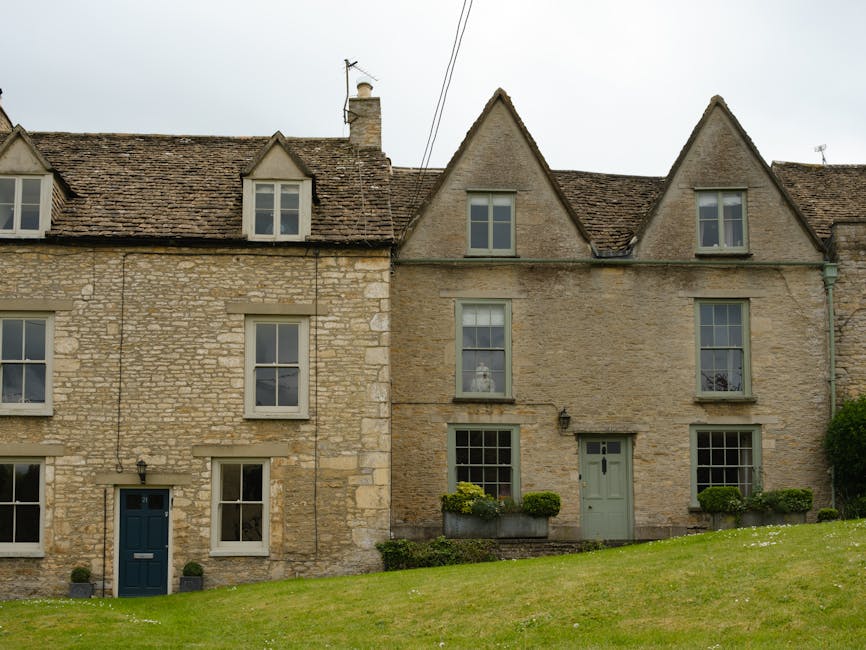
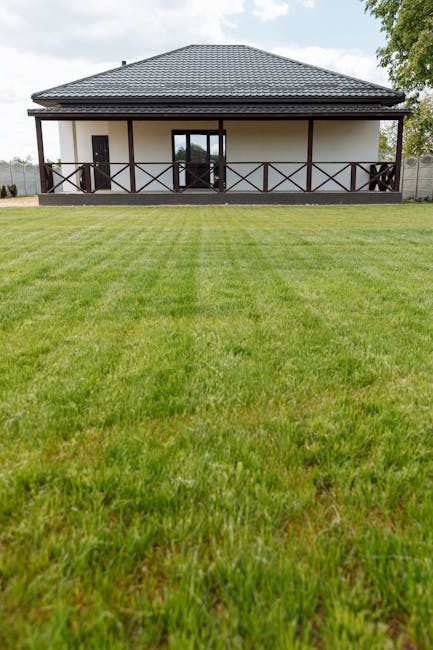
Gardeners for Arkley Village Green front lawns: a practical guide to healthier, sharper-looking grass in Arkley
If you are looking after a front lawn near Arkley Village Green, you already know the challenge: it has to look neat from the street, survive foot traffic, handle shade and weather swings, and still feel welcoming every time you come home. That is exactly where experienced Gardeners for Arkley Village Green front lawns make a real difference. They do not just cut grass and leave. They shape the whole impression of the property, keep the lawn healthy through the seasons, and spot the small issues before they become expensive ones.
This guide breaks down what professional front-lawn care actually involves, how it works, where the value comes from, and what to expect if you are comparing local gardening support in Arkley. You will also find practical tips, a simple checklist, and a few honest warnings, because truth be told, front lawns can be fussier than they look.
Table of Contents
- Why Gardeners for Arkley Village Green front lawns Matters
- How Gardeners for Arkley Village Green front lawns Works
- Key Benefits and Practical Advantages
- Who This Is For and When It Makes Sense
- Step-by-Step Guidance
- Expert Tips for Better Results
- Common Mistakes to Avoid
- Tools, Resources and Recommendations
- Law, Compliance, Standards, or Best Practice
- Options, Methods, or Comparison Table
- Case Study or Real-World Example
- Practical Checklist
- Conclusion
- Frequently Asked Questions
Why Gardeners for Arkley Village Green front lawns Matters
A front lawn is not just a patch of grass. It is the first thing people notice, and in a place like Arkley Village Green that first impression tends to matter quite a lot. A tidy, resilient lawn can quietly lift the whole property. A tired one does the opposite. Even when everything else is in good order, patchy turf, moss, or edge creep makes the whole frontage feel neglected.
Front lawns also work harder than rear gardens. They are more visible, more exposed, and often less forgiving. Delivery drivers tread across them, bins get dragged over them, children cut corners across them, and winter shade or poor drainage can make them thin out. So the question is not just "can grass grow here?" but "can it stay attractive without becoming a weekly headache?"
That is where skilled gardeners come in. They understand mowing height, soil condition, seasonal feeding, weed pressure, and the little design choices that help a lawn look polished rather than merely short. For many households, a properly managed front lawn becomes the difference between a garden that constantly needs rescuing and one that mostly looks after itself.
Expert summary: Good front-lawn care is a mix of maintenance, timing, and restraint. The best results usually come from steady improvement rather than dramatic intervention.
It is also worth saying that front lawns can be part of a wider garden system. If the edges are overgrown, the driveway is grimy, or nearby hedges are casting too much shade, the grass will struggle no matter how often it is cut. That is why local gardening support often overlaps with regular garden maintenance, careful edging, and sometimes broader work such as landscaping or hedge management.
How Gardeners for Arkley Village Green front lawns Works
At its simplest, front-lawn care starts with assessment. A competent gardener looks at the grass type, density, drainage, shade, weed levels, compaction, and how the lawn is used. They will also note whether the front garden has kerb appeal goals, child use, pets, or awkward features like slopes or tree roots. A lawn beside a busy pavement is not the same as one tucked behind a hedge. Not even close.
From there, the maintenance plan usually falls into a few repeating tasks:
- Mowing: keeping the grass at a healthy height rather than scalping it flat.
- Edging: defining borders so the lawn looks deliberate and cared for.
- Feeding and mulching: improving soil health and supporting steady growth.
- Weed and moss control: reducing competition and making the turf thicker.
- Scarifying or aerating when needed: relieving thatch and compaction.
- Seasonal checks: adapting care to wet winters, dry spells, and growth surges.
The practical detail matters. For example, cutting too short in spring can leave the lawn looking tidy for a few days, then tired for weeks. Leaving it a touch longer during hotter spells usually helps it hold moisture better. Small decisions like that add up.
Some gardens benefit from simple lawn care routines, while others need more targeted treatment. If the soil is hungry, a gardener may refer to guidance like these practical methods to mulch and fertilize grass. If shade or poor patch recovery is a recurring issue, then it may make sense to think beyond turf and look at lower-maintenance planting options, perhaps using ideas from ground cover plants for UK gardens.
In real life, good garden care is often a mix of lawns, borders, and problem-solving. A front lawn that starts with bare spots may need a bit of overseeding, some soil improvement, and patience. Gardening is like that sometimes. No magic wand, just sensible work done properly.
Key Benefits and Practical Advantages
There are obvious benefits to having a well-kept front lawn, but the less obvious ones are often the most valuable. Yes, it looks better. But it also tends to cost less to maintain over time when it is managed consistently. A lawn that is routinely monitored usually needs fewer rescue jobs later on.
Here are the practical advantages people notice most:
- Better kerb appeal: a neat front lawn frames the property and gives a strong first impression.
- Healthier turf: regular care helps grass grow denser and resist weeds more effectively.
- Less seasonal stress: lawns that are fed, cut correctly, and drained well cope better with weather changes.
- Cleaner boundaries: edging and trimming reduce the "messy spill" effect into paths and driveways.
- Safer, tidier access: a flat, well-managed lawn is easier to cross and less likely to look neglected.
- Better long-term value: consistent care protects the investment in the garden space.
There is also a psychological benefit that people rarely mention. When the front garden looks under control, the whole house feels calmer. You notice it on weekday mornings, especially when the weather has been grim and the lawn still looks decent through the window. That matters more than it sounds.
For households that like a greener, more sustainable approach, front-lawn care can be aligned with lower-waste gardening. That might include composting clippings where suitable, improving soil with organic matter, and reducing unnecessary chemical use. If you are interested in that broader approach, see how organic conversion can empower soil and why sustainable gardening choices matter.
Who This Is For and When It Makes Sense
This kind of support makes sense for a wide range of homeowners and property managers. Some people want a once-a-week mowing visit. Others need a more hands-on plan because the lawn has slipped, the borders have spread, or the front garden simply looks unfinished.
It is especially useful if you are:
- trying to restore a front lawn that has become thin or weedy
- short on time but still want the property to look well kept
- preparing a home for sale or rental
- managing a family garden where children or pets use the space
- dealing with awkward shade, exposed wind, or heavy footfall
- looking for a reliable routine rather than random one-off fixes
It also makes sense if the front garden is part of a wider design story. For example, a lawn bordered by shrubs or hedges may need coordinated care, not just mowing. If privacy is important, you might pair lawn work with ideas from hedge varieties for quicker privacy or proper trimming through hedge trimming in Arkley.
On the other hand, if your lawn is already healthy and only needs occasional upkeep, you may not need a large service package. A fair, honest gardener should say that too. Not every garden needs the full works. Sometimes it just needs a steady hand and a decent mower.
Step-by-Step Guidance
Here is a sensible, non-fussy way to approach front-lawn care in Arkley Village Green. This is the sort of sequence a good gardener would follow, even if the exact order changes depending on the lawn's condition.
- Inspect the lawn carefully. Look for thin patches, moss, shade stress, uneven areas, weeds, and signs of compaction.
- Check the edges and boundaries. Overhanging hedges, cracked edging, or soil spill can make an otherwise healthy lawn look untidy.
- Set the mowing plan. Choose a cutting height that suits the season and the grass condition.
- Feed and improve the soil if needed. A hungry lawn usually shows it in colour and density. Weak turf needs support, not just more cutting.
- Control weeds early. The earlier you deal with them, the less they spread. It sounds obvious, but people leave this far too long.
- Address moss and drainage issues. If water sits on the surface, mowing alone will not fix the problem.
- Re-seed or overseed bare patches. This helps restore a fuller look and reduces future weed invasion.
- Repeat on a seasonal rhythm. Front lawns usually need slightly different care in spring, summer, autumn, and winter.
If the lawn has become badly neglected, restoration work may be needed before the routine maintenance begins. In those situations, it helps to read something like restoring elegance to a neglected garden space. That sort of reset can be much more practical than trying to force a tired lawn back to life overnight.
A small but useful point: if you are not sure whether the lawn is improving, take a photo from the same spot every few weeks. It is amazing how easy it is to miss gradual progress. Gardens change slowly; your memory does not always keep up.
Expert Tips for Better Results
These are the details that tend to separate an average front lawn from one that genuinely looks cared for.
Cut less aggressively than you think
Many people trim too short because they want a crisp finish. The trouble is, grass that is cut too hard can lose strength and invite weeds. A slightly longer lawn is often healthier and still looks neat.
Improve the soil, not just the surface
Grass lives below the visible layer. If the soil is compacted or low in organic matter, the lawn will struggle no matter how often it is mown. Aeration and feeding matter because they change the ground the roots actually grow in.
Use edges to create the "finished" look
Clean edges along paths, borders, and driveways do a lot of visual heavy lifting. People often think the lawn itself is the star, but the edges are what make it feel intentional.
Watch the shade pattern across the day
Morning shade and late-day shadow can slow drying, which encourages moss. If you know where the damp patches sit, you can manage them more intelligently.
Think seasonally, not reactively
Spring growth, summer stress, autumn recovery, and winter protection all need different responses. If you treat every month the same, the lawn usually tells on you by mid-year.
A nice extra measure is to think about the wider microclimate. If the front garden is very exposed, wind protection may help nearby planting and reduce surface stress. The article on wind protection in gardens is useful if your lawn sits in a breezy spot. Likewise, if you need more seasonal resilience, winter plant vitality tips can help with adjacent borders and soft landscaping.
And one more thing: do not obsess over perfection. A lawn that looks alive, even, and tidy is usually better than one that has been over-tweaked into exhaustion. Nature has opinions. Sometimes stubborn ones.
Common Mistakes to Avoid
Front lawns often go wrong in surprisingly ordinary ways. The good news is that most of them are preventable.
- Scalping the lawn: cutting too low weakens grass and exposes bare soil.
- Ignoring compacted soil: if water pools or the ground feels hard underfoot, the roots are probably struggling.
- Letting weeds seed freely: one season of delay can turn into a larger repair job.
- Overusing fertiliser: too much feed can cause weak, hurried growth and uneven results.
- Forgetting the edges: a good lawn can still look untidy if borders are messy.
- Using the wrong plant mix nearby: aggressive ivy or invasive growth can swallow the visual balance of the front garden.
- Neglecting drainage: no amount of mowing fixes a waterlogged patch on its own.
One mistake worth calling out separately is treating every bare patch like it is the same problem. Sometimes it is dry shade. Sometimes it is dog wear. Sometimes it is a drainage issue, or a root competition issue from nearby trees or shrubs. Diagnosis first, treatment second. Saves time, saves money, and saves a fair bit of frustration.
If ivy is part of the issue, it can quickly become a nuisance around lawns and borders. In that case, this ivy removal guide is a sensible place to start.
Tools, Resources and Recommendations
Good results depend on decent tools, but you do not need a shed full of specialist kit. A careful gardener will usually work with a practical, well-chosen set.
- Mower: ideally one suited to the size and condition of the lawn.
- Edging tools: for sharpening lines along paths and borders.
- Rake or scarifier: useful for removing thatch and loose debris.
- Spreader or hand applicator: for seed or feed, depending on the job.
- Fork or aerator: to relieve compacted soil.
- Sharp shears: handy around awkward corners and lawn boundaries.
If you want to understand the value of having the right equipment, this guide to essential gardening tools is worth a look. It is practical rather than flashy, which is usually a good sign.
For many front lawns, the most helpful resources are not fancy at all. They are consistent maintenance visits, clear communication, and a realistic schedule. If you are choosing between options, also think about how the gardener handles related jobs such as lawn care, lawn mowing, or broader gardening services.
Law, Compliance, Standards, or Best Practice
Front-lawn care is not a heavily regulated activity in the way some trades are, but it still sits within a sensible framework of best practice. That means working safely, using equipment properly, handling waste responsibly, and respecting access routes, neighbours, and property boundaries.
For a homeowner, the main practical points are simple:
- keep walkways and entrances clear during work
- avoid unsafe use of equipment, especially around children or pets
- make sure waste is removed or disposed of responsibly
- be clear about the scope of work before the job starts
- ask how the gardener manages safety, insurance, and complaints
It is also sensible to choose a gardener who can explain their approach plainly. A trustworthy business should be comfortable discussing insurance and safety, health and safety policy, terms and conditions, and payment and security. That is not red tape for its own sake. It is part of doing the job properly.
If service expectations ever need clarification, it helps to know there is a complaints procedure in place. The same goes for privacy and cookies, which matter whenever a business handles your details online.
One final best-practice point: if you are asking for a quote, ask for detail, not just a number. A thoughtful estimate should explain what is included, how often visits happen, and whether the work covers mowing only or also edging, feeding, and seasonal care.
Options, Methods, or Comparison Table
Choosing the right approach depends on the lawn's condition and how much time you want to spend maintaining it. Here is a simple comparison that helps most people narrow things down.
| Approach | Best for | Pros | Trade-offs |
|---|---|---|---|
| Basic mowing only | Healthy lawns with low pressure | Simple, affordable, quick | Won't solve weeds, compaction, or thin patches |
| Routine lawn care package | Most front gardens | Consistent upkeep, better long-term health | Needs regular visits and seasonal adjustments |
| Restoration-focused care | Neglected or patchy lawns | Addresses underlying issues, improves structure | Usually slower and more involved |
| Mixed frontage design | Shady, difficult, or high-maintenance lawns | Can reduce upkeep and improve appearance | May require planting or layout changes |
There is no universal winner here. A small, tidy lawn near the pavement may do brilliantly with regular mowing and edging. A shaded frontage under a tree may be better served by a mix of lawn care and low-maintenance planting. For some homes, adding ground cover is simply smarter than fighting a losing battle.
If privacy, texture, or seasonal colour are part of the goal, you may also want to compare ideas from ground cover options and low-maintenance garden ideas. Sometimes the best front lawn is not a pure lawn at all. Slightly cheeky, but true.
Case Study or Real-World Example
Here is a realistic example based on the sort of front-lawn work that comes up often in Arkley-style residential gardens.
A homeowner has a neat house frontage, but the lawn has become uneven and patchy after a wet winter. The edges are fuzzy, weeds are creeping in near the path, and one side gets extra shade from a hedge. The owner wants the garden to look smart again without turning it into a full redesign.
The gardener starts with a full inspection and finds three issues: compacted soil, a thin turf layer, and a damp shaded strip near the boundary. Instead of just mowing harder, they:
- raise the mowing height slightly
- clear moss and thatch where needed
- improve the soil with organic matter
- overseed the bare patches
- sharpen the edges to improve the finished look
- suggest trimming the nearby hedge to reduce shade a little
Within a few weeks the lawn looks cleaner, but the real improvement comes later, as the grass thickens and the damp strip begins to recover. Not overnight. That is important. Good lawn work usually looks modest at first and better each month after that.
If the surrounding planting is making the space feel cluttered, or if a hedge is swallowing light, the gardener may suggest linked work such as hedge trimming or even a small amount of tree surgery. That wider view often makes all the difference.
And yes, sometimes the simplest transformation is just a better edge, a healthier cut, and a bit of patience. Nothing glamorous. Still effective.
Practical Checklist
Use this checklist if you want to judge whether your front lawn is getting the care it actually needs.
- Is the mowing height suitable for the season?
- Are the edges clean and well defined?
- Is the lawn free from obvious thatch or moss build-up?
- Do bare patches need overseeding or soil improvement?
- Is there standing water after rain?
- Are weeds being managed before they spread?
- Is the nearby hedge or tree casting avoidable shade?
- Does the frontage look tidy from the street as well as from the garden?
- Are there safety concerns for children, pets, or visitors?
- Do you have a clear maintenance routine for spring, summer, autumn, and winter?
Quick takeaway: If you can answer "yes" to most of these, your front lawn is probably on the right track. If not, the fix usually starts with diagnosis, not effort for effort's sake.
Get a free quote today and see how much you can save.
Conclusion
Gardeners for Arkley Village Green front lawns are about much more than mowing. They help create a front garden that feels welcoming, well balanced, and quietly well cared for throughout the year. The best work is often the work you barely notice: healthier turf, cleaner edges, fewer bare patches, and a lawn that keeps its shape without constant fuss.
If your frontage has started to feel like a weekly worry, that is usually a sign it needs a better system, not more guesswork. A skilled gardener can bring order back to the space and make the whole property feel more settled. And honestly, that bit of calm when you look out of the window on a damp Tuesday morning? Worth it.
For a strong next step, review your current lawn condition, decide what is maintenance and what is repair, and speak with a local gardener who understands both the practical and visual side of front-garden care. A little attention goes a long way, especially in Arkley.
Frequently Asked Questions
What do Gardeners for Arkley Village Green front lawns usually include?
Most front-lawn services include mowing, edging, weed control, and basic seasonal care. Some also include feeding, aeration, scarifying, and help with surrounding borders if the frontage needs more than a quick tidy-up.
How often should a front lawn be maintained?
That depends on growth, season, and use, but many front lawns benefit from regular visits during active growing periods. In quieter months, less frequent attention may be enough. A good gardener will adjust rather than forcing a rigid schedule.
Is lawn mowing enough to keep a front lawn healthy?
Not usually. Mowing keeps the lawn neat, but health also depends on soil condition, watering patterns, drainage, weed management, and the right mowing height. If the grass is thinning, mowing alone will not solve it.
What should I do if my front lawn has bare patches?
First identify the cause. Bare patches may come from wear, shade, dry soil, compacted ground, or pets. Then the usual remedy is a mix of soil improvement, reseeding, and proper aftercare. Guesswork rarely works well.
Can a shaded front garden still have a good lawn?
Yes, but it is often harder. Shade can slow growth and encourage moss. In some cases, a lawn can still work with better care and pruning nearby plants; in others, ground cover or a mixed design is more practical.
How do I know whether my lawn needs feeding?
If the grass looks pale, weak, or slow to recover after mowing, it may need support. Soil condition matters too. A gardener can usually tell whether feeding, mulching, or a broader soil improvement plan makes the most sense.
Are front lawns more difficult to maintain than back gardens?
Often, yes. Front lawns are more visible, more exposed, and usually get more accidental wear. They also need to look good from the street, which raises the standard a bit. No pressure, of course.
What if ivy or hedge growth is affecting the lawn?
Then it is worth dealing with the cause, not just the symptoms. Ivy can smother borders, and heavy hedge growth can block light and encourage dampness. Related care such as trimming or removal may be needed alongside lawn treatment.
How can I make a front lawn lower maintenance?
Keep the grass dense, avoid cutting too low, improve the soil, and manage edges well. In difficult areas, you might also reduce lawn size and use ground cover or planting that better suits the conditions.
Do I need professional help if the lawn only looks a bit untidy?
Maybe not for every minor issue. But if the untidiness keeps returning, or you notice weeds, moss, patchiness, or drainage issues, professional help can save time and avoid repeated trial and error. A small problem can be the start of a larger one.
What should I ask before hiring a gardener for a front lawn?
Ask what is included, how often visits happen, how they handle seasonal changes, and whether they can advise on related issues such as edging, feeding, and restoration work. It is also sensible to ask about safety, insurance, and payment terms.
Can front-lawn care be combined with wider garden improvements?
Absolutely. Many front lawns benefit from linked work such as hedge trimming, landscaping tweaks, or better boundary management. Sometimes the lawn is only part of the story, and improving the surroundings brings the whole frontage into balance.