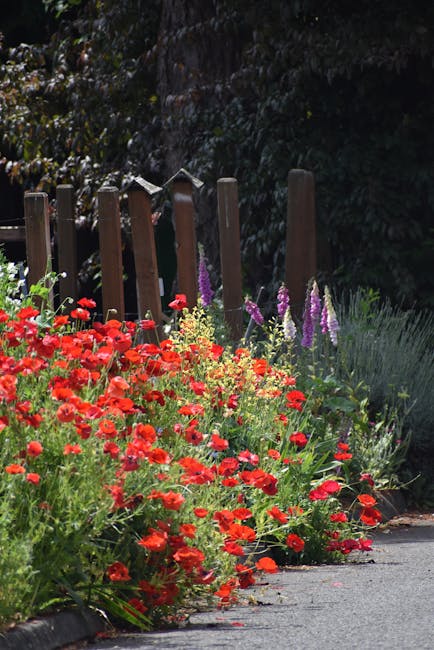
Top rated gardeners on Arkley Lane and High Barnet
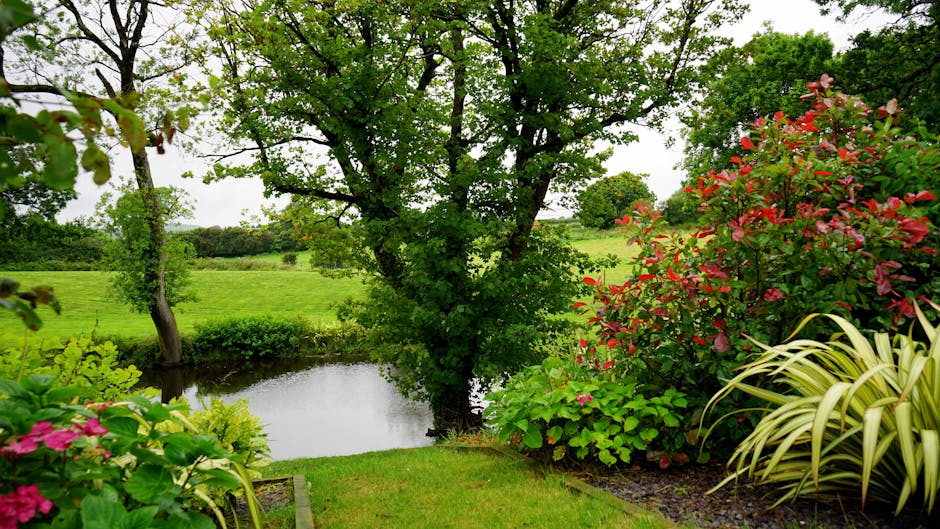
If you are searching for Top rated gardeners on Arkley Lane and High Barnet, you are probably after more than a tidy border and a quick hedge trim. You want a gardener who turns up, understands local conditions, works neatly, and knows how to keep a garden looking good through wet weeks, dry spells, and the occasional stubborn patch that just will not behave. Truth be told, that combination is worth its weight in gold.
In this guide, we will walk through what top-rated local gardening support really means, how to judge quality, what services matter most in this part of North London, and how to avoid the common mistakes that lead to patchy lawns, overgrown hedges, or wasted money. You will also find a practical checklist, a comparison table, and a few grounded examples from the kinds of jobs that come up again and again in real gardens.
Why Top rated gardeners on Arkley Lane and High Barnet Matters
Gardens in and around Arkley Lane and High Barnet often have a mix of mature planting, compact side passages, family lawns, boundary hedges, shaded corners, and awkward access. That sounds manageable until a few weeks of growth, wind, rain, and busy life get involved. Then the difference between a decent gardener and a genuinely good one becomes very obvious.
A top-rated gardener does not just cut things back. They understand timing, plant health, soil condition, seasonal priorities, and how to keep a space looking intentional rather than merely reduced. That matters because a rushed job can leave bare patches, stressed shrubs, weak hedges, or a lawn that looks neat for three days and tired for three months.
Local knowledge matters too. A gardener familiar with the area will usually have a better feel for what thrives in partial shade, which hedges are worth considering for privacy, and how exposed or sheltered certain gardens can be. On a practical level, they are also more likely to plan around narrow access, neighbours, parking, and the reality of working in a lived-in London street. Not glamorous, but important.
If you are trying to restore a garden after a long spell of neglect, learning more about the team's background and approach can help you judge whether they are the right fit. For deeper reading on recovery work, this guide to reviving a neglected garden space is a useful companion.
How Top rated gardeners on Arkley Lane and High Barnet Works
At its best, good garden care follows a simple rhythm: assess, plan, carry out, tidy, and maintain. The details change depending on the garden, but that structure usually stays the same.
First comes the assessment. This is where a gardener looks at the lawn, beds, shrubs, trees, edging, paths, fences, and any problem areas like ivy, weeds, moss, drainage issues, or overgrown hedging. A proper assessment is more than a glance. It should tell you what needs urgent attention and what can wait.
Next is prioritisation. In a well-run visit, the work is not done randomly. A gardener might start by clearing access paths, then tackle pruning or trimming, then lawn work, then finishing details like sweeping patios or removing clippings. That order matters. It keeps the space cleaner and reduces the chance of missed patches.
Then comes the actual execution. Depending on the job, that might involve mowing, hedge trimming, weed control, mulching, border tidying, planting, patio cleaning, or lawn care. For lawns, a good result often depends on treating the soil as much as the grass. If your grass is looking flat or tired, methods to mulch and fertilize grass can be a smart read before the next maintenance cycle.
Finally, a trustworthy gardener leaves clear aftercare advice. That could mean watering guidance, how soon to cut again, whether to feed the lawn, or which areas need monitoring over winter. You will notice the difference. The best gardeners do not just finish a job; they make the next month easier.
Key Benefits and Practical Advantages
Hiring a highly rated local gardener is not only about appearance, although let's be honest, a well-kept garden does feel good when you look out the back door on a grey morning. It also has a string of practical benefits.
- Better plant health: Correct pruning, mulching, feeding, and watering support stronger growth.
- More usable outdoor space: Tidy paths, controlled hedges, and maintained lawns make the garden easier to enjoy.
- Lower long-term repair costs: Early intervention often prevents bigger problems, especially with ivy, tree limbs, fencing, or neglected borders.
- Improved seasonal resilience: A garden cared for through winter and wet weather tends to bounce back faster in spring.
- Safer outdoor areas: Good clearance reduces slips, trip hazards, and hidden debris, which matters a lot in family gardens.
There is also a quiet emotional benefit. A managed garden is less mentally noisy. You are not looking at a list of jobs every time you open the back door. The space feels calmer, and that does more for day-to-day life than people often admit.
For people thinking ahead to lower-maintenance layouts, low-maintenance garden ideas can help shape more realistic expectations.
Who This Is For and When It Makes Sense
This kind of local gardening support suits a wide range of homeowners and landlords, but a few groups tend to benefit most.
- Busy households: If work, commuting, and family life leave little time for pruning and weeding, regular help keeps things under control.
- Older homeowners: Some tasks are simply awkward, repetitive, or physically demanding.
- New homeowners: If you have just moved in and inherited a patch that is a bit all over the place, a gardener can help you start well.
- Landlords and property managers: Kerb appeal matters, and so does keeping access routes clear.
- Pet owners and families: Safety, sightlines, and tidy boundaries are more important when children or animals use the garden every day.
It also makes sense when you are preparing for something specific: spring growth, a summer gathering, winter weather, or a property sale. Gardens are seasonal, after all. You can ignore one for a bit, but it usually catches up with you. Usually at the worst possible time.
If privacy is a concern, a gardener can help with the right hedge selection and trimming rhythm. hedge varieties for garden privacy are worth exploring before you commit to a long-term boundary plan.
Step-by-Step Guidance
If you are comparing local gardeners or planning a first visit, a structured approach makes the process easier. Here is a sensible way to handle it.
- Walk the garden slowly. Note what bothers you most: weeds, lack of privacy, patchy grass, overgrown shrubs, moss, messy paving, or dull seating areas.
- Separate urgent jobs from cosmetic ones. For example, unstable branches or heavily congested hedges are often more important than decorative tidying.
- Ask what tools and methods will be used. A good gardener should be able to explain the basics without jargon.
- Request a written outline or quote. Even a brief one is useful. It keeps expectations clear.
- Discuss timing. Spring and autumn jobs can be quite different. Winter care, for instance, may focus on protection and structural maintenance rather than heavy growth work.
- Review aftercare. Ask what you should do between visits, especially for lawns and newly planted areas.
- Schedule the next step before the garden slides back. Maintenance works best when it is planned, not guessed at later.
That sequence sounds simple, and it is. Yet it stops a lot of confusion. One tiny example: a client may ask for "just a tidy-up" and mean everything from weeding to hedge reduction. Better to define it properly first. Saves everyone a headache.
For lawn-heavy gardens, it can help to understand seasonal care a bit better too. ground cover plants for UK gardens are a practical option in awkward spaces where grass struggles, while winter plant care guidance is useful for protecting vulnerable borders.
Expert Tips for Better Results
Small decisions often make the biggest difference. Here are the things experienced gardeners tend to get right without making a song and dance about it.
- Trim hedges at the right time and in the right shape. Over-cutting can leave them sparse. If you want a smarter finish, review the ideas in this hedge trimming guide.
- Keep lawns fed but not overloaded. Grass usually benefits from steady care more than dramatic interventions.
- Use mulch where the soil is drying out or weeds keep returning. It is one of those boring-great jobs.
- Deal with ivy early. Once it gets established, it can become a proper nuisance. Here is why ivy removal matters.
- Think in layers. Ground cover, shrubs, climbers, and structural plants create a better result than a garden full of one-off fixes.
- Plan for weather, not just appearance. Wind exposure, shade, and winter stress shape what will actually survive and look good next season.
One more thing: a truly good gardener will often notice the small stuff before you do. A leaning panel, a weak patch in a fence, or a border edging starting to disappear. That kind of attention is worth paying for.
If you are looking at garden features beyond planting, there are also practical services that help tie everything together. patio cleaning, fencing, and decking services can all support a more finished outdoor space.
Common Mistakes to Avoid
People often think gardening mistakes are only about plants. Not quite. A lot of the trouble comes from planning, timing, or trying to do too much in one go.
- Choosing price alone. The cheapest option can become expensive if the work needs redoing.
- Ignoring seasonal timing. Pruning at the wrong time can reduce flowering or stress the plant.
- Overlooking access and disposal. Clearing waste, clippings, and cuttings is part of the job, not an afterthought.
- Asking for a neat finish without defining the level of cut. "Trim" and "reduce" are not the same thing.
- Forgetting maintenance after the visit. Some results only last if watering, feeding, or light touch-ups continue.
- Using one solution for every garden. A shaded, windy, pet-friendly garden needs a different plan from a sunny front lawn.
To be fair, most mistakes are fixable. But it is better not to create them in the first place. And if you are already dealing with a tired or overrun plot, a neglected garden recovery guide can help you think more clearly about priorities.
Tools, Resources and Recommendations
The right tools make a surprisingly big difference. Not because gardening is about gadgets, but because the job becomes cleaner, faster, and less stressful when the basics are in good order.
For professionals and keen householders alike, the essentials usually include reliable cutting tools, a quality mower, edging tools, pruning shears, waste bags or bins, gloves, and watering equipment. For more involved work, a gardener may also need hedge cutters, scarifiers, soil improvers, and safety gear.
If you like to understand the practical side of the craft, this overview of essential gardening tools is a useful starting point. For those working with compact spaces or terraces, modern container gardening offers options that are often underestimated.
Other helpful resources on the same site include:
- garden maintenance for ongoing support
- lawn mowing for routine grass cutting
- lawn care for healthier turf over time
- gardening services for broader outdoor support
- landscaping when the layout itself needs improving
If your garden gets hammered by weather or exposed conditions, garden care through rough weather and wind protection ideas are both worth a look.
Law, Compliance, Standards, or Best Practice
For most domestic garden work, the main thing is not red tape; it is responsible practice. Good gardeners should work safely, respect boundaries, and handle waste properly. If they are using powered tools, ladders, or working at height, they should take safety seriously. No drama, just proper care.
When tree work is involved, things become more sensitive. Branch size, access, neighbouring property, and safety all matter. That is why a tree-related job should be approached carefully and by someone competent. If you are unsure whether a larger prune or removal is needed, tree surgery support is the right category to explore rather than trying to guess.
For everyday service standards, a few best-practice signals matter more than fancy promises:
- clear communication before the work begins
- careful site tidying after completion
- appropriate handling of garden waste
- reasonable attention to safety around people, pets, and property
- honest advice when a job is better split into phases
You should also expect transparent terms around pricing, payments, and what is included. If you want to review this side before booking, pricing and quotes, payment and security, and terms and conditions are all worth checking in plain English.
For households with pets or children, it is sensible to discuss plant choice, access, and treatment products carefully. pet-safe garden design is especially useful if your outdoor space is shared with curious paws or small hands.
Options, Methods, or Comparison Table
Different gardens need different levels of support. A quick comparison helps you decide what kind of gardener or service approach suits your situation.
| Approach | Best for | Strengths | Watch-outs |
|---|---|---|---|
| One-off tidy-up | Overgrown gardens, pre-event refreshes, post-winter recovery | Fast visual impact, good for a reset | Needs follow-up if the garden grows quickly |
| Regular maintenance | Busy households, rental properties, ongoing presentation | Stable appearance, easier to plan, fewer surprises | Works best with consistency |
| Seasonal care | Lawn recovery, hedge shaping, planting updates | Matches the garden's natural rhythm | Can feel patchy if bookings are too infrequent |
| Project-based work | Redesigns, boundary improvements, larger repairs | Useful for meaningful change | Often needs a bigger budget and clearer brief |
If you want privacy, structure, and greenery to work together, a mix of hedge work, climbers, and ground cover usually performs better than a single fix. For example, evergreen climbing plants can soften dark corners, while vertical gardening ideas help where floor space is limited.
Case Study or Real-World Example
Imagine a typical back garden off Arkley Lane: a narrow side return, a patchy lawn, one hedge that has grown a bit too confidently, and a border where weeds keep returning after every rain. Nothing unusual. In fact, you might have seen three versions of this by lunchtime.
In a case like that, the best approach is rarely to throw every service at it on day one. A sensible gardener would usually start with clearance, define the edges, cut back the hedge to a healthy shape, improve the lawn surface, and then add a simple maintenance plan. If the border is bare in places, ground cover or mulching may help stabilise it. If the fence is tired, the whole thing can look unfinished no matter how neat the planting is.
That is where judgment matters. A competent gardener will know when to tidy, when to reduce, and when to leave something for the next visit so the plant is not shocked. A rushed all-at-once approach can make the garden look neat for a weekend and awkward for months. We have all seen that sort of overcorrection.
If the project is larger, the same garden might benefit from a combined service approach: ongoing garden maintenance, lawn care, and boundary improvements to finish the look. And if the space includes children's play areas or a family seating zone, kid-friendly garden ideas may be useful too.
Practical Checklist
Use this checklist before booking or during your first walk-through with a gardener.
- Identify the three most urgent jobs in the garden.
- Decide whether you need a one-off visit or regular maintenance.
- Check if hedges, trees, lawns, patio areas, or borders need different attention.
- Confirm what waste removal or clearance is included.
- Ask how the gardener handles pets, children, and access routes.
- Agree on the level of pruning or cutting before work starts.
- Ask what will need repeat attention in the next 4 to 8 weeks.
- Review pricing, payment, and any terms before you commit.
- Make notes about shaded areas, drainage issues, or windy spots.
- Keep a simple record of what was done so future visits are easier to plan.
If you are aiming for a more sustainable outdoor space, sustainable gardening practices can help you think beyond quick cosmetic fixes. And for low-waste upkeep, organic conversion of garden waste can be surprisingly useful.
Conclusion
Finding the right gardeners for Arkley Lane and High Barnet is really about trust, timing, and fit. The best result is not just a tidy garden; it is a space that suits how you live, holds up through the seasons, and feels manageable rather than overwhelming.
Look for clear communication, sensible planning, and evidence that the gardener understands both the practical and aesthetic side of the job. If they can talk confidently about lawns, hedges, planting, maintenance, and seasonal priorities without making the process feel complicated, you are probably in good hands.
And if your garden feels a bit beyond you right now, that is fine. A lot of great gardens start with one honest conversation and a proper first visit. The rest tends to follow.
Get a free quote today and see how much you can save.
Frequently Asked Questions
What should I look for in a top rated gardener on Arkley Lane and High Barnet?
Look for clear communication, consistent punctuality, tidy workmanship, and a realistic plan for your garden's condition. A strong local gardener should also understand seasonal care and the kinds of plants and layouts common in the area.
Do I need a one-off tidy-up or regular garden maintenance?
If your garden only needs a reset, a one-off tidy-up may be enough. If grass, hedges, weeds, and borders quickly get out of hand, regular maintenance is usually better and often more cost-effective over time.
How often should hedges be trimmed?
That depends on the hedge type, growth rate, and the look you want. Some hedges need several trims a year, while others do better with lighter, seasonal shaping. A good gardener will advise based on the plant, not guesswork.
Can a gardener help with overgrown ivy and neglected areas?
Yes. In many gardens, ivy, brambles, and dense growth are among the first things to tackle. The key is removing them carefully so you do not damage walls, fences, or surrounding plants.
What services are usually included in garden maintenance?
Garden maintenance often includes mowing, edging, weeding, hedge trimming, pruning, border tidying, and clearing debris. Some visits also include mulch work, light planting, or patio and path cleaning.
How do I know if my lawn needs professional care?
If your lawn is patchy, mossy, compacted, uneven, or struggling after weather changes, professional lawn care can help. Feeding, mowing height, aeration, and seasonal treatment all play a part.
Is it worth booking garden work before winter?
Yes, often it is. Pre-winter garden work can protect plants, reduce storm damage, and leave the space easier to manage in spring. It is one of those jobs people appreciate later, not always on the day.
What should I ask before hiring a gardener?
Ask what is included, how waste is handled, whether the work is one-off or recurring, how the gardener handles access, and what follow-up care they recommend. Those questions avoid a lot of confusion.
Are garden quotes usually free?
They can be, but not always. The best approach is to check the quote process in advance so you know whether there is any charge and what information will be needed to price the work properly.
Can gardeners help make a garden more pet friendly?
Yes. They can advise on safer planting, better layout, secure boundaries, and surfaces that are easier to maintain around pets. If your dog or cat uses the garden daily, this matters more than people think.
What if my garden is very small or awkwardly shaped?
That is not a problem. Smaller gardens often benefit from smarter planting, vertical solutions, and careful use of space. Container planting, climbers, and tidy edge control can make a compact area feel much better.
How do I get started if my garden is badly neglected?
Start with a clear list of priorities: access, safety, waste removal, and the main overgrowth. From there, a gardener can break the work into manageable stages rather than trying to do everything at once.