Garden maintenance EN5 postcode guide for Arkley homes

If you live in Arkley and you've searched for a practical garden maintenance EN5 postcode guide for Arkley homes, you're probably after one thing: a clearer way to keep the garden under control without losing your weekends to it. Fair enough. EN5 gardens can be lovely, but they can also be a bit demanding - a patch of lawn that thins out after wet weather, hedges that seem to sprint in spring, and borders that quietly fill with weeds the moment you blink.
This guide walks through what garden maintenance actually involves, how it should be approached in Arkley homes, and which tasks matter most through the year. You'll also find a checklist, comparison table, common mistakes, and a few honest local observations that tend to get missed in generic advice. If you want the practical version, not the glossy brochure version, you're in the right place.
Why Garden maintenance EN5 postcode guide for Arkley homes Matters
Arkley homes often sit in gardens that have a lot going on: mature trees, boundary hedges, slopes, mixed soil conditions, and planting that has had years to settle in. That's lovely when it's healthy. Less lovely when ivy starts creeping into corners, a lawn becomes patchy, or a hedge loses shape and light. Regular maintenance is what keeps the garden usable rather than merely present.
In practical terms, routine care helps with four things. First, plant health. Second, safety and access. Third, appearance. Fourth, long-term cost control. Let's face it, a garden that is ignored for six months usually demands more labour later than one that gets smaller, regular interventions.
For EN5 properties, maintenance can also be about adapting to local conditions. Exposure to wind in some spots, shade from established trees, and damp patches after rain all shape how you should mow, prune, mulch, weed, and feed. One size rarely fits all, and that's where many homeowners get caught out.
Expert summary: The best-maintained Arkley gardens are not necessarily the most elaborate ones. They are the ones with a steady rhythm: tidy edges, healthy soil, well-timed cutting, and a plan for weeds before they take hold.
How Garden maintenance EN5 postcode guide for Arkley homes Works
Good garden maintenance is less about dramatic makeovers and more about a repeatable routine. A proper visit, or a sensible homeowner schedule, usually starts with a visual assessment. What looks unkempt? What is actively failing? What is simply seasonal?
A gardener will normally look at lawn condition, hedge growth, border weeds, plant vigour, deadwood, access paths, and any areas where drainage or shade is causing trouble. From there, the maintenance work is broken into practical tasks. That might include mowing, edging, pruning, weed control, leaf clearance, feeding, mulching, and tidying hard surfaces.
If the garden has been neglected, the first pass often focuses on restoration rather than fine detail. There's no point perfecting the edges if the whole border is buried in bindweed. A more realistic sequence is clear, cut, remove, improve soil, then refine.
For lawns, a smart routine may pair mowing with feeding and seasonal treatments. If you want a deeper look at turf care, the article on mulching and feeding grass properly is useful background. For gardens with awkward, low-light patches, ground cover can also be a smarter option than fighting bare soil every year; the guide to ground cover plants for UK gardens is worth a look.
A garden in EN5 usually does best with maintenance that is planned around growth rather than panic. Spring growth, summer watering, autumn leaf fall, and winter protection each ask for something different. That rhythm matters. A lot.
Key Benefits and Practical Advantages
There's a reason consistent maintenance is usually cheaper and calmer than rescue work. The advantages are not just visual, though the visual part is obvious the moment you step outside and see clean lines and healthy planting.
- Better plant survival: Regular pruning, feeding, and watering support stronger roots and cleaner growth.
- Improved kerb appeal: Tidy lawns and borders make the whole property feel more cared for.
- Lower weed pressure: Small weed outbreaks are manageable; established ones are not much fun.
- Safer outdoor spaces: Clear paths, controlled hedges, and neat edging reduce trip hazards and blockages.
- Less stress: A maintenance routine stops the garden becoming an endless weekend job.
- Better seasonal resilience: Healthy soil and well-timed care help gardens cope with wind, frost, heavy rain, and summer dry spells.
There's also a small but real lifestyle benefit. You use the garden more when it feels under control. A chair on a tidy patio suddenly invites tea in the morning. A neat lawn becomes a place for children to run around. Even a modest space feels better when it has shape and intention.
For some homes, privacy is another practical gain. Managed hedges can screen views and soften boundaries without making the space feel shut in. If that's a priority, the piece on hedge varieties for garden privacy may help you think through planting choices. And if boundary access is tight, a tidy plan for hedge trimming in Arkley is often the difference between a garden that flows and one that feels boxed in.
Who This Is For and When It Makes Sense
This kind of maintenance matters most for homeowners who want a garden that stays presentable throughout the year rather than only looking decent after a big clear-up. It also makes sense for people who simply don't have the time, tools, or physical capacity to keep up with regular tasks.
You may need structured maintenance if you have:
- a lawn that needs frequent mowing and seasonal care
- hedges that grow quickly or obscure light
- borders with fast-spreading weeds
- an older garden with mature trees, ivy, or dense shrubs
- a family garden that needs safer surfaces and clear edges
- a rental property where presentation matters
- a patio or decking area that gets slippery, dirty, or cluttered
It also makes sense if you're trying to recover from a neglected season. Truth be told, many Arkley gardens don't need a full redesign; they just need structure, discipline, and a couple of honest decisions about what to keep and what to remove.
If you've got children or pets, maintenance becomes more than cosmetic. It starts to include safer planting, better visibility, and sensible boundary control. For that reason, it's worth thinking about pet-safe layouts and garden access points, not just the look. The article on garden safety for pets is a helpful companion piece, especially if your dog treats the lawn like a race track.
And if the garden is simply outgrowing you, that's okay. Happens more often than people admit.
Step-by-Step Guidance
Here's a straightforward way to approach garden maintenance in Arkley homes without overcomplicating it.
- Start with a full walk-through. Look at the garden as a whole. What is overgrown? What is bare? Where does water sit after rain?
- Remove obvious clutter first. Fallen branches, dead leaves, broken pots, old ties, and general debris all get in the way of proper work.
- Tackle weeds before shaping borders. If you prune first and weed later, you often end up disturbing the area twice.
- Cut and edge the lawn. A tidy lawn instantly changes the feel of the garden, even if the rest is still work in progress.
- Prune with purpose. Remove dead, damaged, or crossing growth. Don't just trim for the sake of it.
- Check soil condition. Compacted or poor soil often needs organic matter, mulching, or a better planting strategy.
- Feed and mulch where needed. This helps retain moisture and improve long-term soil structure.
- Refresh hard landscaping areas. Clean patios, sweep decking, and check for moss or slippery patches.
- Finish with a tidy-up pass. This is the stage that makes the garden feel genuinely finished rather than merely worked on.
If you're maintaining a garden through autumn and winter, build in leaf clearance and protection for vulnerable plants. You can find practical guidance in winter plant care and helping the garden through rough weather. Those two areas tend to be where people lose momentum most often.
For a more rounded routine, many homeowners also pair maintenance with periodic specialist tasks like lawn care and lawn mowing, especially when grass growth is uneven or the lawn has gone soft after rain.
Expert Tips for Better Results
Small decisions make a surprisingly large difference. Here are the things that tend to separate an okay garden from a consistently healthy one.
- Cut little and often for lawns. Scalping a lawn looks neat for a day or two, then the stress shows.
- Don't ignore the soil. A healthy-looking garden can still be struggling underneath. Compost, organic matter, and mulching all help.
- Use plants to solve problems. In awkward shaded spots, ground covers can reduce bare soil and weed pressure.
- Keep hedges from becoming a seasonal emergency. Light, regular shaping is easier than one huge correction later.
- Think vertically when space is tight. Climbers, wall growth, and structured planting can soften fences and fill gaps without clutter.
- Watch where water pools. Persistent wet spots usually point to compaction, poor levels, or drainage issues.
- Leave some breathing room. Plants need airflow. Packed borders may look full, but they can create disease problems.
A sensible trick is to spend a minute noticing what the garden looks like at different times of day. Morning shade, midday glare, and evening dampness all affect maintenance choices. One border may dry out quickly while another stays sodden. That's not unusual around Arkley, and it changes what should be planted where.
If the garden feels flat or patchy, strategic planting can help more than endless tidying. Consider low-maintenance ideas, vertical interest, or even a calmer design approach. The article on low-maintenance garden ideas can spark practical thinking without pushing you into a full makeover.
And yes, sometimes the best tip is simply to stop doing too much at once. A garden can recover. You don't need to bully it into perfection.
Common Mistakes to Avoid
Most garden problems I see around regular maintenance come from a handful of avoidable habits. Nothing dramatic. Just small choices stacked on top of each other.
- Leaving pruning too late. By then, the shape is harder to restore and the plant may have wasted energy on weak growth.
- Overfeeding lawns and borders. More fertiliser is not always better. It can lead to soft, weak growth.
- Ignoring ivy and creeping invaders. What starts as a charming bit of green can become a real nuisance.
- Using the wrong tools. Dull blades tear instead of cut, which makes plants look ragged and less healthy.
- Forgetting access routes. A beautiful garden is not much use if you can't move through it properly.
- Doing all tasks in the wrong order. For example, sweeping after pruning or mowing after leaf fall can mean redoing the same job.
One of the sneakiest issues is ivy. It often looks harmless until it starts swallowing borders, fences, or old walls. If that sounds familiar, have a look at how to remove ivy cleanly. It's one of those jobs that rewards patience and a methodical approach.
Another common mistake is forgetting that weeds are a timing problem as much as a skill problem. A quick, regular pass beats a heroic weekend of back-breaking weeding. If you want a sharper approach, these weed control tips are worth keeping in mind.
Tools, Resources and Recommendations
You do not need a shed full of fancy gear to keep an Arkley garden in shape, but the right basics make the work cleaner, quicker, and less frustrating. Nobody enjoys hacking through a hedge with blunt shears. Nobody.
- Sharp secateurs: for deadheading, light pruning, and precise cuts.
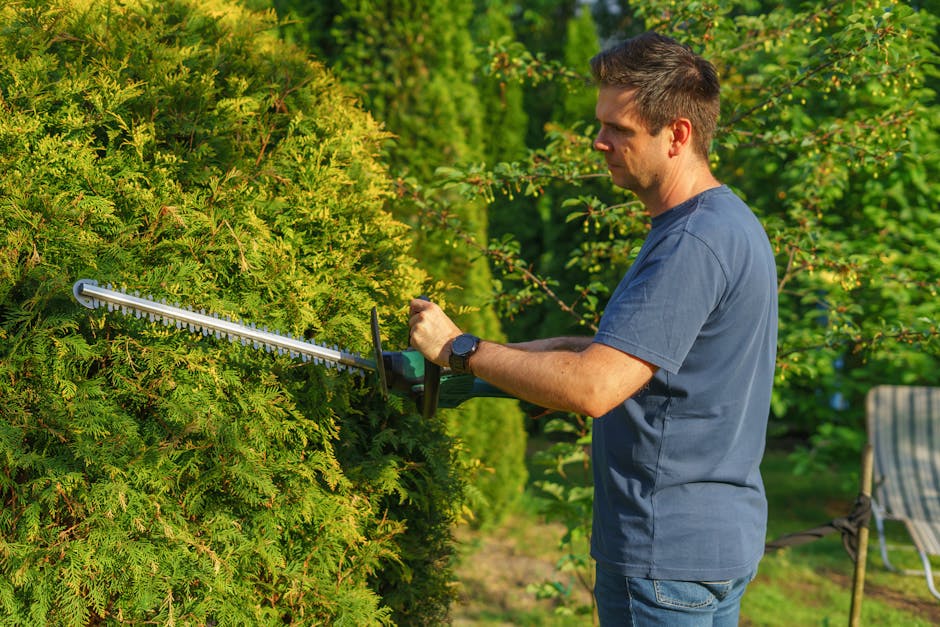
- Hedge trimmer or long shears: for regular hedge shaping.
- Lawn mower: for routine grass cutting.
- Rake and leaf collector: especially useful in autumn.
- Weed tool or hand fork: to lift roots properly instead of just snapping the tops off.
- Spade and border fork: helpful for edging, dividing, and improving soil.
- Gloves and sturdy footwear: basic, but absolutely worth it.
- Wheelbarrow or garden trug: makes clearing waste far less painful.
For gardeners who like to work smarter, not harder, the piece on essential gardening tools is a good practical reference. If you're trying to reduce waste, you might also like organic conversion and soil improvement, which fits neatly with sustainable maintenance.
If your space includes a patio or timber features, don't treat them as afterthoughts. Dirt and algae build up fast, and a garden can look tired even when the planting is fine. That's where patio cleaning and decking services may be useful alongside the softer parts of the garden.
In a few homes, structure matters more than planting. If fencing is damaged, leaning, or simply ugly, the rest of the garden often feels off-balance. A straightforward fencing solution can make the whole space feel contained again.
Law, Compliance, Standards and Best Practice
Garden maintenance usually sits in the category of practical best practice rather than heavy regulation, but there are still sensible things to keep in mind. For example, waste should be handled responsibly, work should be carried out safely, and any cutting or tree-related tasks should be done with care, especially near boundaries, paths, or structures.
Homeowners should also be mindful of neighbourly impacts. Hedge growth over a boundary, debris falling into adjoining spaces, or loud work at awkward times can all create avoidable friction. In a place like Arkley, where gardens can be closely connected, that human side matters more than people expect.
For work involving height, power tools, or trees, professionalism matters. Good practice includes proper risk assessment, safe handling of equipment, and making sure the work is suitable for the garden's layout. If you're weighing up a more involved job, it's sensible to read the site's information on insurance and safety and the health and safety policy. Those pages help set expectations in a way that feels grounded rather than dramatic.
There's also a broader sustainability angle. Composting green waste, using organic matter well, and choosing plants that fit the conditions all reduce unnecessary rework. The article on sustainable gardening practices gives that idea a bit more depth without getting preachy about it.
If privacy, boundaries, or overhanging growth are the issue, a maintenance plan should be aligned with the wider layout of the property. When in doubt, keep it simple and documented. A clear agreement, a clean scope, and realistic timings prevent most misunderstandings before they start.
Options, Methods, or Comparison Table
Not every garden needs the same kind of maintenance. Some need regular light care. Others need occasional deep work. A few need a blend of both. Here's a useful comparison.
| Approach | Best for | Strengths | Limitations |
|---|---|---|---|
| Light regular maintenance | Healthy gardens that need tidy-up work | Keeps growth under control, prevents build-up, easier to budget | May not be enough for neglected areas |
| Seasonal maintenance | Gardens with clear spring, summer, autumn, and winter needs | Good for leaf fall, pruning, feeding, and winter prep | Gaps between visits can allow weeds or overgrowth |
| Restorative maintenance | Overgrown, tired, or inherited gardens | Creates a clean baseline and makes future upkeep easier | Takes more time and usually costs more at the start |
| Specialist task support | Hedges, lawns, patios, trees, or damaged boundaries | Targets the awkward jobs properly | Needs coordination if several areas are affected |
There's also a design-based choice to make. If your garden has tricky corners, narrow strips, or bare patches, you can either maintain them as they are or replace them with something easier to live with. Ground cover, vertical planting, and hardy hedging often reduce the amount of ongoing upkeep. For a deeper idea of what works well in UK conditions, the guide to ground cover plant options is genuinely useful.
And if your garden is used a lot by children, family, or visitors, a maintenance plan should fit the way people actually move through the space. That might mean better path clearance, clearer sightlines, or less fiddly planting near seating areas. A prettier garden is nice. A usable one is better.
Case Study or Real-World Example
Here's a realistic Arkley scenario. A semi-detached home has a lawn that has become thin in patches, a hedge that has outgrown the front boundary, and a back border that was once tidy but now contains weeds, dead stems, and a bit of ivy creeping from the rear fence. Nothing catastrophic. Just a garden that has slipped.
The sensible response was not to strip everything out. The first visit focused on clearing debris, cutting back the hedge to a manageable line, removing ivy from the fence area, and mowing the lawn carefully rather than aggressively. After that, the soil in the border was improved, mulch was added, and a few better-suited plants were introduced to cover exposed ground. The patio was cleaned as well, because, frankly, it had been quietly making the whole place look worse than it was.
Within a short time the garden felt calmer and easier to manage. Not perfect, not magazine-ready, just solid and pleasant again. That is usually the real win. A garden that feels easy to own is more valuable than one that looks impressive for a single afternoon.
The homeowner also realised the importance of scheduling. Once the hedge and lawn had a routine, the space stopped sliding backwards. That's the point many people miss. Maintenance is not just about doing jobs; it's about preventing the next layer of jobs from appearing.
Practical Checklist
Use this simple checklist to keep an Arkley garden on track through the year.
- Walk the garden weekly and note any obvious changes
- Mow the lawn at the right height for the season
- Trim hedges before they become unmanageable
- Remove weeds while they are still small
- Clear leaves from lawns, paths, and borders
- Check for ivy, suckers, or invasive growth
- Inspect patios and decking for dirt or slippery patches
- Mulch borders where soil dries out or weeds keep returning
- Prune dead or damaged growth when appropriate
- Water established plants sensibly rather than on autopilot
- Look for signs of poor drainage, compaction, or shade problems
- Plan one deeper seasonal tidy-up each quarter
If you want to improve the space further, consider whether the garden would benefit from extra structure or a different use of space. Sometimes a small change, like better edging or more suitable planting, makes maintenance far easier. Sometimes the problem is less about effort and more about design. That happens all the time, to be fair.
When you're ready to talk through your own garden and what it needs, it's worth starting with a straightforward service conversation and a clear scope rather than guessing your way through it. A bit of clarity saves a lot of back-and-forth later.
Get a free quote today and see how much you can save.
Conclusion
A good garden maintenance EN5 postcode guide for Arkley homes should leave you with a simple truth: the best outdoor spaces are usually the ones looked after steadily, not sporadically. Keep the lawn in shape, stay ahead of weeds, prune with restraint, improve the soil where needed, and deal with problem growth before it takes over. Nothing glamorous. Just reliable, sensible care.
Arkley gardens have character, and that character is worth preserving. With the right routine, even a tired or awkward space can become something calm, useful, and genuinely enjoyable again. And that, really, is the point.
Frequently Asked Questions
What does garden maintenance usually include for Arkley homes?
It typically includes mowing, hedge trimming, border weeding, pruning, leaf clearance, planting care, and tidying patios or paths. Some gardens also need soil improvement, mulching, or help with overgrown areas.
How often should a garden in EN5 be maintained?
That depends on size, planting, and how fast things grow, but most gardens benefit from regular light attention rather than waiting for major seasonal clear-outs. Lawns and hedges often need the most consistent care.
Is garden maintenance different from garden landscaping?
Yes. Maintenance is about keeping what is already there healthy, tidy, and functional. Landscaping is more about changing the structure, layout, or features of the garden.
What are the biggest maintenance problems in Arkley gardens?
Common issues include fast hedge growth, patchy lawns, ivy spread, weed pressure, damp shade, and seasonal leaf build-up. Mature gardens can also have drainage or root-related problems.
Can regular maintenance reduce costs over time?
Usually, yes. Small routine tasks tend to prevent larger recovery jobs later. It is often cheaper to stay on top of the garden than to restore it after a long period of neglect.
What should I do with ivy that keeps returning?
Persistent ivy needs a proper removal strategy, not just a quick cut. Cutting at the root, clearing the growth carefully, and monitoring regrowth is usually more effective than trimming the visible part only.
Do I need professional help for hedge trimming?
If the hedge is tall, dense, awkwardly placed, or close to boundaries, professional help can save time and reduce the risk of uneven cuts or access issues. It also helps when the hedge has become difficult to reshape safely.
How do I keep a lawn healthy in wet or windy weather?
Cut it at the right height, avoid mowing when the ground is waterlogged, clear debris, and support the grass with sensible feeding and soil care. If the lawn is struggling, a specialist lawn care routine can help.
What if my garden has lots of shade and bare patches?
That's common in older gardens. In those spaces, ground cover plants, better pruning for light, and soil improvement often work better than constantly reseeding the same weak area.
Are there safety considerations for garden maintenance?
Yes. Tools, height work, slippery surfaces, and heavy waste all need care. Good garden maintenance should follow safe handling practices and sensible risk management, especially for larger or more complex jobs.
Should I clean hard surfaces as part of maintenance?
Definitely. Patios, decking, and paths affect how the whole garden looks and feels. Dirt, moss, and algae can make a space feel neglected even when the planting is fine.
How do I know whether my garden needs routine care or a full tidy-up?
If the garden is basically healthy but untidy, routine maintenance is enough. If you're dealing with overgrowth, heavy weed spread, ivy, dead plants, or damaged structure, a deeper restorative visit is usually the better starting point.
For a clearer next step, explore the wider garden services and decide which parts of the garden need the most attention first. A steady plan is always easier to live with than a big hopeful one. That's the quiet truth of it.