Common access problems for gardeners in Arkley and fixes
If you've ever tried to get a mower through a narrow side gate, carry compost round a parked car, or work around a steep, muddy slope after a wet week in north London, you'll know the real job often starts before the first plant is touched. Common access problems for gardeners in Arkley and fixes is not a niche detail; it is the difference between a smooth, safe visit and a day full of delays, damaged planting, and avoidable stress.
In Arkley, gardens can be compact, awkwardly split, hidden behind hedges, or shaped by older property layouts that were never designed for modern kit. This guide breaks down the most common access issues gardeners face, why they matter, and what practical fixes usually work best. You'll also find a realistic checklist, a comparison table, and a few straight-talking tips that save time and hassle. Let's face it, access is one of those things that sounds simple until you are standing there with a wheelbarrow that will not fit.
Why Common access problems for gardeners in Arkley and fixes Matters
Access problems are not just an inconvenience. They affect safety, timings, workmanship, and cost. If a gardener cannot get to the back garden easily, the team may need extra labour time, smaller equipment, or a completely different plan. That can change how a job is priced and how well it is delivered.
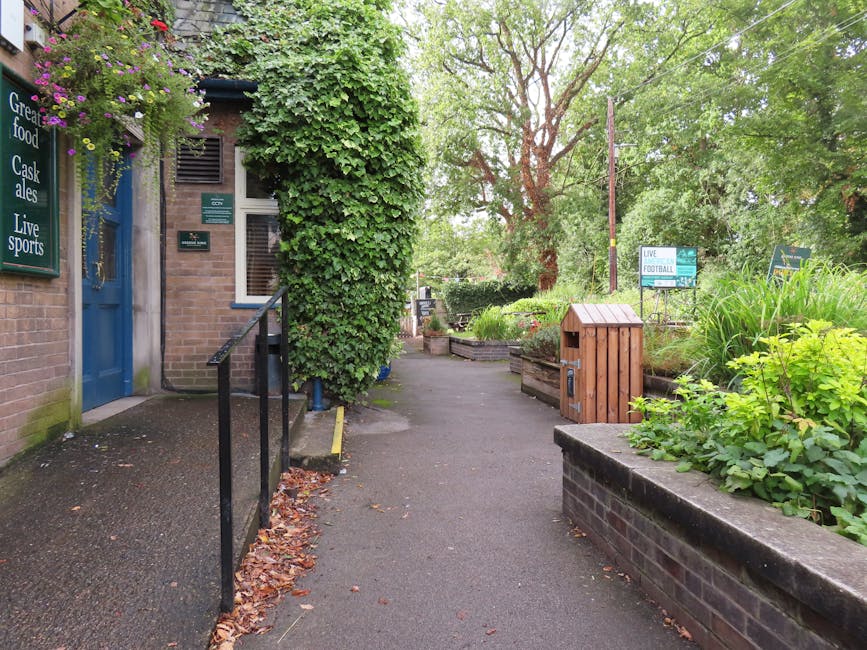
In Arkley, a few recurring features make access especially relevant: long side passages, mature hedging, old paving, shared driveways, split-level gardens, and front gardens with little turning space. A pleasant-looking entrance can still be a headache in practical terms. A gate that feels fine for a person on foot may be a nightmare for a mower, hedge trimmer, bags of soil, or waste removal.
There is also the safety side. Tight access can increase trip risks, strain injuries, damage to walls or fences, and awkward carrying over wet or uneven ground. If pets, children, or neighbours share the space, the need for clear movement routes becomes even more important. A good access plan protects everyone. Simple as that.
For homeowners, understanding the likely access issues helps you book the right service, prepare the site, and avoid disappointment. For gardeners, it means fewer surprises and a more efficient day. If you want to see how site conditions affect wider garden care, it can also help to read practical guides like the tools that make garden work easier and advice on restoring neglected spaces.
How Common access problems for gardeners in Arkley and fixes Works
Good access planning usually follows the same logic: identify the route, measure the bottlenecks, decide what equipment can reasonably fit, and then build a working method around the site rather than against it. The best gardeners do not fight the layout; they adapt to it.
In practice, this starts with a quick site review. A gardener looks at gate width, path width, surface condition, steps, slopes, parking, waste removal points, water access, and whether there are obstacles such as bins, bikes, hanging plants, or storage boxes. If there is ivy climbing over the entrance or a hedge closing in on the path, that can be part of the access problem too. In some cases, a job is not "hard" because of the work itself; it is hard because nobody can comfortably reach the work. The site gets in the way.
Then comes the fix. Sometimes it is small: trimming back a hedge, clearing clutter, or laying temporary boards over soft ground. Sometimes it is structural: widening a gate, rethinking a path, replacing loose paving, or adding a new side access point. For gardens with limited space, services like garden maintenance or landscaping can be planned around access from the start, which is usually much better than trying to solve it on the day.
One helpful habit is to separate access into three layers:
- People access - can someone walk through safely with tools in hand?
- Equipment access - can machines, barrows, and materials get in and out?
- Waste access - can green waste, rubble, and cuttings be removed without chaos?
That three-part view sounds simple, but it catches most of the problems before they bite.
Key Benefits and Practical Advantages
Sorting access properly gives you more than convenience. It can change the whole feel of a project. A job that begins with a blocked route and a lot of lifting often ends with fatigue, slower progress, and more wear on the garden itself. Fix the access, and the work becomes calmer, cleaner, and more precise.
- Less damage to surfaces - fewer scuffs on patios, fewer crushed borders, fewer wheel marks on lawns.
- Better efficiency - gardeners spend time working, not wrestling with repeated trips round the house.
- Safer handling - less awkward lifting of sacks, plants, and tools.
- Cleaner results - waste moves out more easily, so the garden is left tidier.
- More accurate pricing - when access is clear, quotes are usually more reliable.
- Lower stress for the client - no last-minute panic about where the mower will go or how the hedge cuttings will leave the site.
There is a practical knock-on effect too. If the access route is clean and predictable, jobs like lawn care and patio cleaning can be completed with less interruption and less risk of accidental mess. Even small improvements, such as clearing the side return before work starts, can save a surprising amount of time.
Another advantage is seasonal resilience. In winter or after a spell of heavy rain, a decent route can stop the whole garden from turning into a mud trap. If you are already dealing with rough weather, it is worth pairing access planning with practical seasonal care like protecting gardens through rough weather and keeping plants healthy in winter.
Who This Is For and When It Makes Sense
This topic matters to a wide range of people, not just professional gardeners. Homeowners planning routine maintenance need it. Landlords and property managers need it. Families with children or pets need it. So do people with older gardens that have slowly become harder to enter or move around in. Truth be told, many access issues creep in over years, not overnight.
It makes sense to think about access when:
- you are booking ongoing garden maintenance
- the garden has a narrow side passage or locked gate
- hedges, ivy, or climbers are narrowing the route
- the lawn is soft, sloped, or waterlogged
- heavy materials need to be brought in or taken out
- the property shares access with neighbours
- you are arranging larger work such as fencing, tree work, or landscaping
It is also worth considering access if the garden is used by children or pets. Safe movement routes matter more when little feet or curious dogs are around. A design that looks great but forces everyone through a cluttered pinch-point is, to be fair, a bit of a trap. If you are designing with families in mind, pet-safe garden design ideas and child-friendly garden planning are useful supporting reads.
Step-by-Step Guidance
Here is a straightforward way to tackle access issues before they become expensive headaches.
-
Walk the route from street to work area.
Do this slowly and honestly. Notice the gate latch, path width, corner turns, slope, lighting, surface grip, and any overgrowth. Carry a bag or a tool if you want a realistic test. A route can feel fine empty-handed and suddenly feel awful with a mower or a compost bag.
-
Measure the tight spots.
Gate openings, narrow passages, and steps should be measured before heavy work is booked. A tape measure is a tiny thing that saves a lot of awkwardness later. If access is borderline, smaller equipment or segmented deliveries may be needed.
-
Clear movable obstacles first.
Bins, bikes, plant pots, hose reels, children's toys, and folding furniture all add friction. Clear them out before the team arrives. It sounds obvious, but the number of jobs delayed by a wheelbarrow blocked by a trampoline, well... it would make you smile if it were not so real.
-
Cut back what is physically narrowing the route.
Overhanging climbers, hedge growth, ivy, and low branches are common culprits. If the entrance has become cramped, try a tidy-back before bigger work begins. For heavy ivy problems, removing ivy cleanly can make a dramatic difference.
-
Protect soft or vulnerable surfaces.
Temporary boards, matting, or controlled walking routes can help on lawns and wet borders. This is particularly useful after rain or during winter. The aim is not to make the site perfect. It is simply to stop one good day of work from creating a week of repair.
-
Choose the right service method.
Some jobs need a full team with powered tools; others work better as smaller, staged visits. If access is tight, a service like gardening services may be planned around hand tools and phased clearances rather than one big visit.
-
Plan waste removal in advance.
Where will bags leave the site? Is there enough turning space? Can a pile be staged without blocking movement? These questions seem dull until cuttings stack up against a locked side gate.
In practical terms, the goal is simple: make the route work with the garden, not against it. That is the whole game.
Expert Tips for Better Results
After a while, you start seeing the same patterns. These tips come from what tends to make a genuine difference on real gardens.
- Keep one "clear spine" through the garden. A single reliable route is more useful than several half-blocked ones. Even if the rest of the garden is still a work in progress, one clean access line helps enormously.
- Think about turning, not just entry width. A gate may be wide enough, but if the next corner is too tight, a mower still won't fit. Corners are the silent troublemakers.
- Use lightweight staging points. A small spot for tools, a temporary bagging area, or a flat place for materials can prevent repeated back-and-forth trips.
- Do not ignore drainage. If a route puddles after every shower, access will keep failing. Better surfacing or a small landscaping change can be worth more than constant clean-ups.
- Trim for access, not just appearance. A hedge can look neat from the road and still be awkward along a passage. If hedge work is part of the solution, hedge trimming in Arkley is often one of the quickest ways to reopen a route.
- Work in the driest part of the day or week. If the ground is heavy and soft, even small jobs become messy fast. A dry window can make everything smoother.
Small detail, but worth saying: a route that feels slightly over-prepared is usually better than one that feels clever but fragile. Gardening is full of those little trade-offs.
If access is tied to privacy screens or boundary planting, the same thinking applies. Hedges and climbers can offer cover, but they can also pinch the usable width. Guides like hedge varieties for privacy and evergreen climbing plants can help you choose plants that support the layout instead of swallowing it.
Common Mistakes to Avoid
Access mistakes tend to be practical, not dramatic. That is what makes them easy to overlook.
- Not measuring the gate. People often assume a mower, wheelbarrow, or waste bag will fit. Sometimes it does not. Measure first.
- Booking work before clearing access clutter. A few minutes of prep can save a lot of wasted labour.
- Ignoring side passage condition. Loose slabs, slippery moss, and hidden slopes can turn routine access into a risk.
- Letting hedges and ivy take over the route. Nice plant growth is lovely until it starts brushing shoulders and snagging tools.
- Assuming every job can be done in one sweep. Some gardens need staged work, especially when access is tight.
- Forgetting waste exit routes. It is easy to focus on getting materials in and forget how they leave.
A very common one, and a bit annoying, is the "we'll just carry everything through the house" plan. Sometimes it is the only option, but often it creates avoidable disruption. A better route, even if it means a little tidying or a temporary access adjustment, is usually the smarter answer.
Another mistake is leaving access issues until the end of a project. By then, you are already committed, already tired, and already paying for work. Much better to solve the route first.
Tools, Resources and Recommendations
You do not need a huge kit to improve access. Often, the most useful tools are the simple ones.
- Tape measure for gates, paths, and clearances
- Pruning shears or hedge tools for trimming encroaching growth
- Wheelbarrow or garden trolley suited to the route width
- Temporary ground protection boards for lawns, mud, or soft surfaces
- Strong sacks and tubs for controlled waste removal
- Basic lighting if access is poor in early mornings or late afternoons
For garden owners who want to make a route more reliable over time, it also helps to think in terms of the wider garden system. Ground cover can reduce mud splash, well-planned planting can keep edges tidy, and a sensible maintenance rhythm stops entrances from becoming overgrown in the first place. Useful supporting reads include ground cover plants for UK gardens, mulching and fertilising grass properly, and straightforward weed control tips.
If you are unsure whether a project needs professional planning, a good starting point is the site review itself. For practical advice or help arranging the right approach, you can also speak through the contact page and ask for a visit that takes access into account from the outset.
Law, Compliance, Standards, or Best Practice
For most domestic garden jobs, the main expectations are common sense, care, and safe working practice. There is no need to overcomplicate it, but there are some important principles.
Gardeners should work in a way that reduces risk to themselves, the client, neighbours, and property. That means planning lifting routes, avoiding blocked exits, and making sure tools and materials do not create hazards. If a garden has shared access, boundary issues, or restrictive arrangements, it is sensible to agree the working method before the job begins. That prevents misunderstandings later.
Where access intersects with safety, it is also wise to think about:
- clear walkways free from trip hazards
- stable footing on steps, slopes, and wet paving
- safe handling of heavy materials
- proper storage of tools during the visit
- minimising disruption to neighbours and shared areas
Service providers often keep their own health and safety policy, and it is worth checking that a business has sensible insurance and safety arrangements in place. That is especially true for jobs involving tree work, fencing, or larger landscaping tasks. Related pages such as tree surgery and fencing naturally involve more planning around access and site protection.
Best practice, in plain English, is this: make the route safe, make the work realistic, and make sure everyone knows what to expect. That is usually enough.
Options, Methods, or Comparison Table
Different access problems need different fixes. The right answer depends on whether the issue is temporary, seasonal, or built into the garden layout.
| Access problem | Best practical fix | When it works best | Things to watch |
|---|---|---|---|
| Narrow gate | Trim back growth, remove obstructions, or consider wider access in future works | Small and medium domestic gardens | Measure carefully before moving equipment |
| Soft or muddy route | Temporary boards, improved drainage, or better ground cover | After rain or in winter | Avoid rutting lawns and compacting borders |
| Overgrown side passage | Hedge trimming, ivy removal, or pruning back climbers | Routes blocked by planting | Check for hidden hazards behind growth |
| Steps or slope | Safer surfacing, staged movement, or lighter equipment | Uneven gardens and terraced plots | Weather can make this much worse |
| Waste removal bottleneck | Pre-agreed staging area and clearer exit route | Large pruning or clearance jobs | Do not let waste block the working line |
If you are weighing up a larger improvement, it can help to compare short-term fixes with structural ones. Temporary measures are quicker and cheaper. Structural changes cost more, but they often solve the problem for good. For example, a narrow passage can be managed for years with pruning and careful movement, but a badly draining route may eventually need proper landscaping to stop it becoming a repeated problem.
Case Study or Real-World Example
A typical Arkley garden might have a front gate opening onto a narrow side path, with a long hedge on one side and the house wall on the other. On paper, nothing looks wrong. In reality, a mower barely fits, bags of compost need to be carried one by one, and after rain the paving gets slick underfoot.
In one common scenario, the access issue was solved in stages rather than with a big rebuild. First, the side passage was cleared of stored items. Then the hedge was cut back enough to open the walkway properly. Ivy was removed from the fence line, because it was narrowing the route and making the walls damp. A temporary board path was used on the softest section of ground while the work was underway. That simple combination changed the whole feel of the garden visit.
The result was not glamorous, but it was effective. The gardener could move more freely, waste came out faster, and the client did not have to keep stepping aside or worrying about muddy footprints spreading indoors. Small win, big difference. That is often how access improvements work in real life.
For a similar kind of reset, homeowners sometimes pair access clearing with a broader tidy-up such as restoring a neglected garden space or adding neater boundaries through low-maintenance design ideas. It is rarely one miracle fix; more often, it is three sensible ones.
Practical Checklist
Use this quick checklist before a gardener arrives or before you plan a bigger job.
- Measure gate widths and narrow passages
- Check for steps, slopes, loose slabs, or slippery patches
- Clear bins, toys, furniture, and stored items from the route
- Trim back hedges, ivy, or climbers that squeeze the access point
- Confirm where tools and materials can be staged
- Decide how green waste will leave the site
- Protect lawns or soft surfaces if the ground is wet
- Make sure pets and children are kept clear of the working route
- Identify any shared access issues with neighbours
- Tell the gardener about anything awkward before the visit, not after
Expert summary: the best access fix is the one that matches the real barrier. If the problem is growth, prune it. If it is clutter, clear it. If it is ground condition, protect or improve it. If it is the layout itself, plan a longer-term change. No drama, just the right response.
Get a free quote today and see how much you can save.
Conclusion
Access is one of the least glamorous parts of garden work, but in Arkley it often decides whether a job feels smooth or frustrating. Narrow gates, overgrown passages, muddy paths, awkward turns, and poor waste routes can all get in the way. The good news is that most of these problems have workable fixes, from simple pruning and tidying to more thoughtful layout changes.
If you focus on the route first, the rest of the garden becomes easier to manage. That means better safety, cleaner results, and less stress for everyone involved. And honestly, that calm starts to matter after a while. A garden should feel like a place you can enjoy, not a puzzle you have to fight with every time you want it maintained.
When access is sorted, the garden opens up in the nicest way. You notice the space again, not the obstacles.
Frequently Asked Questions
What are the most common access problems for gardeners in Arkley?
The most common issues are narrow gates, overgrown side passages, steep or slippery paths, poor drainage, limited turning space, and awkward waste removal routes. Older properties and compact plots tend to show these problems most clearly.
How do gardeners usually fix a narrow garden access point?
They may trim back hedge growth, remove clutter, use smaller equipment, stage materials closer to the work area, or suggest longer-term changes such as a wider gate or improved route design. The fix depends on whether the problem is temporary or structural.
Should I clear the garden access myself before a visit?
Yes, if you can. Moving bins, toys, pots, bikes, and garden furniture out of the route saves time and reduces the chance of damage. Even a small amount of preparation makes a noticeable difference.
Can a gardener work if the side passage is muddy?
Often, yes, but they may need temporary ground protection or a different working method. If the ground is very soft, it may be safer to delay part of the work or choose a drier window. Wet access is manageable, but it needs respect.
What if ivy or hedges are blocking the route?
That is a very common issue. Cutting back growth, especially thick climbers or hedge spill, usually opens the route quickly. For heavy ivy, removal may be the better option because it can hide surface damage and make access tighter than it first appears.
Do access problems affect the price of gardening work?
They can. Tight access may take more time, require smaller tools, or make waste removal slower. Clear access usually leads to more accurate quotes and a smoother job overall.
Is it better to fix access temporarily or permanently?
Temporary fixes are useful for immediate jobs, especially on wet ground or during a one-off clearance. Permanent fixes make more sense if the same problem keeps coming back. If a route is always awkward, it is usually worth improving it properly.
How can I make my garden easier to access for routine maintenance?
Keep a clear route, prune growth regularly, store items away from the main path, and avoid letting soft ground become rutted. If the garden is prone to mud, better planting or surface improvements can help as well.
Are there safety concerns with poor garden access?
Yes. Poor access can increase trip hazards, make lifting heavier and more awkward, and create risks around wet surfaces or steps. Safe access is part of safe garden work, not something separate from it.
Can access issues be solved during landscaping work?
Absolutely. Landscaping is often the right time to rethink paths, drainage, steps, and planting edges. If access has always been difficult, a properly planned landscaping project can make the whole garden work better.
What should I tell a gardener before they arrive?
Tell them about locked gates, narrow side returns, steps, pets, parked cars, shared entrances, muddy areas, and any items that cannot be moved. The more honest the site description, the easier it is to plan the visit.
Where can I ask for advice on a difficult Arkley garden layout?
For practical next steps, it helps to speak directly through the site's contact page and describe the access issue clearly. A quick conversation often reveals whether a simple trim, a staged visit, or a larger improvement is the sensible route.